
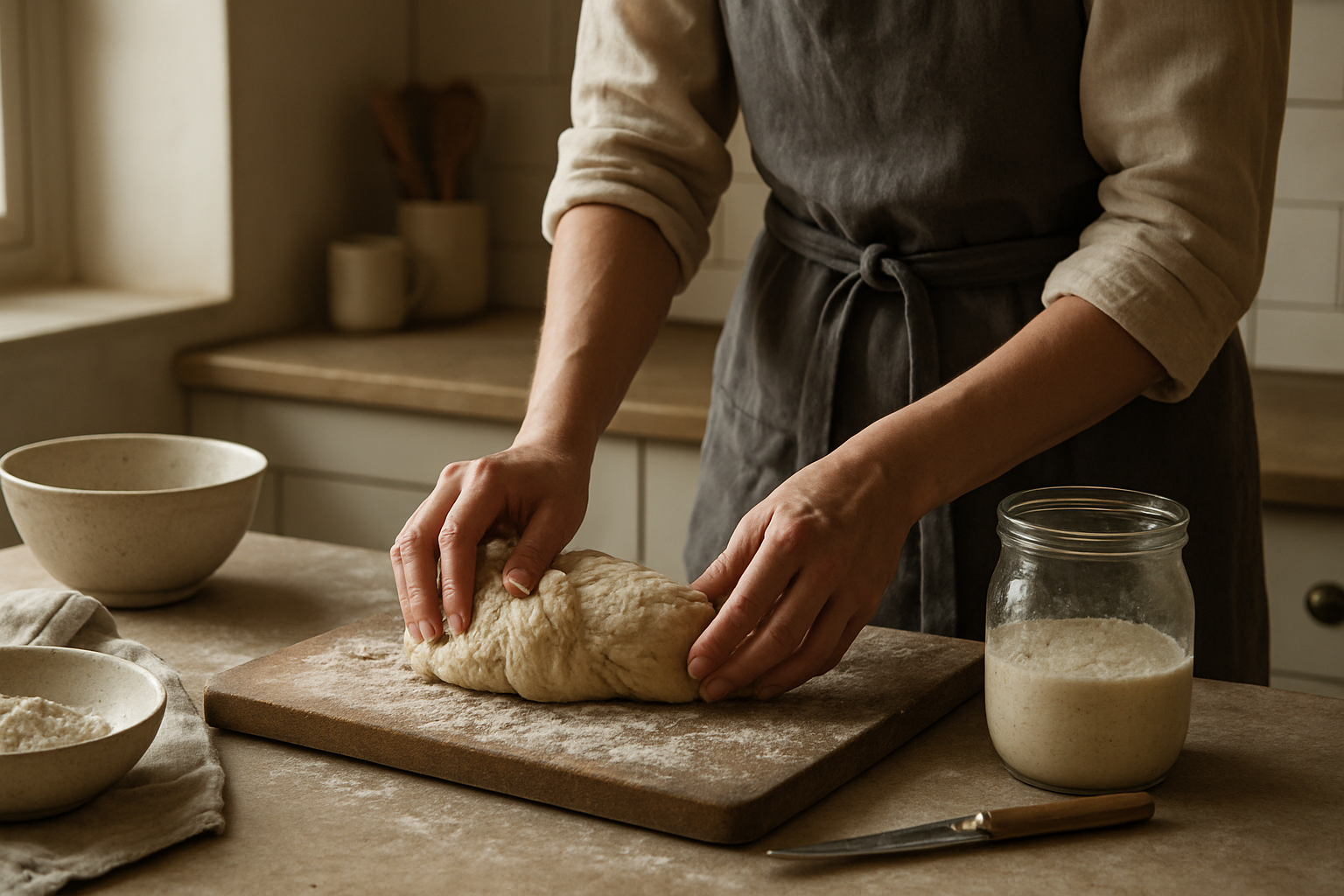
In the pursuit of culinary excellence, many home cooks believe that spectacular results hinge on complex recipes or expensive ingredients. Yet, often it is the subtle, small adjustments in technique and approach that transform everyday cooking into something truly remarkable. Understanding how minor tweaks can elevate your dishes not only enhances flavour and texture but also builds confidence and enjoyment in the kitchen.
### The Power of Precision: Timing and Temperature
One of the most impactful small adjustments involves mastering timing and temperature. Cooking is a delicate balance; even a slight change in heat or duration can alter the outcome significantly. For example, searing meat at a higher temperature for a shorter time locks in juices and creates a caramelised crust, whereas a lower temperature might result in a less appealing texture. Similarly, knowing when to remove vegetables from boiling water to retain their vibrant colour and crunch can make a noticeable difference.
Rather than relying solely on recipes, developing an intuitive sense of timing and heat control allows you to adapt to variations in ingredients and equipment. This awareness comes from observing how food changes during cooking and adjusting accordingly, a skill that grows with experience but starts with paying close attention.
### Ingredient Preparation: The Unsung Hero
Another often overlooked area is how ingredients are prepared before they even hit the pan. Small changes such as uniform chopping, patting meat dry before cooking, or allowing dough to rest can dramatically influence texture and flavour. For instance, unevenly cut vegetables cook at different rates, leading to inconsistent results. Drying meat removes excess moisture, enabling better browning and flavour development.
Even marinating times and methods can be fine-tuned. A brief rest in a marinade can impart subtle flavour, while longer times might tenderise tougher cuts. Understanding these nuances helps you tailor preparation to the specific dish and ingredients, ensuring the best possible outcome.
### Seasoning with Intention
Seasoning is more than just adding salt and pepper; it’s about layering flavours thoughtfully throughout the cooking process. A common mistake is seasoning only at the end, which can result in flat or uneven taste. Instead, seasoning at different stages—such as salting vegetables before roasting or seasoning meat before searing—builds depth and complexity.
Small adjustments in seasoning amounts and timing can also prevent overpowering or underwhelming flavours. Tasting as you go and adjusting gradually is key. This mindful approach to seasoning transforms a dish from bland to balanced without overwhelming the natural ingredients.
### Equipment and Tools: Subtle Influences
The choice and condition of kitchen equipment can subtly affect cooking results. Using a heavy-bottomed pan ensures even heat distribution, preventing hot spots that can burn food. Similarly, a sharp knife not only improves safety but also preserves the texture and appearance of ingredients.
Small adjustments such as preheating pans properly or using lids to control moisture can influence the cooking environment. These considerations might seem minor but collectively contribute to more consistent and satisfying results.
### Embracing Flexibility and Observation
Perhaps the most important adjustment is cultivating a flexible mindset and keen observation skills. Recipes serve as valuable guides, but rigid adherence can limit your ability to respond to real-time changes. Observing how food looks, smells, and feels during cooking provides essential clues for making small corrections.
For example, noticing when a sauce thickens too quickly or when a roast is browning unevenly allows you to adjust heat or timing immediately. This responsiveness is what separates good cooks from great ones and is built on a foundation of attentiveness and willingness to experiment.
### Conclusion
Better cooking results often come not from grand gestures but from a series of small, thoughtful adjustments. By honing your awareness of timing, temperature, ingredient preparation, seasoning, and equipment, you unlock the potential to elevate everyday meals. These subtle changes foster a deeper connection with the cooking process, turning routine tasks into opportunities for creativity and satisfaction. In the end, it is this mindful approach that transforms simple ingredients into memorable dishes.